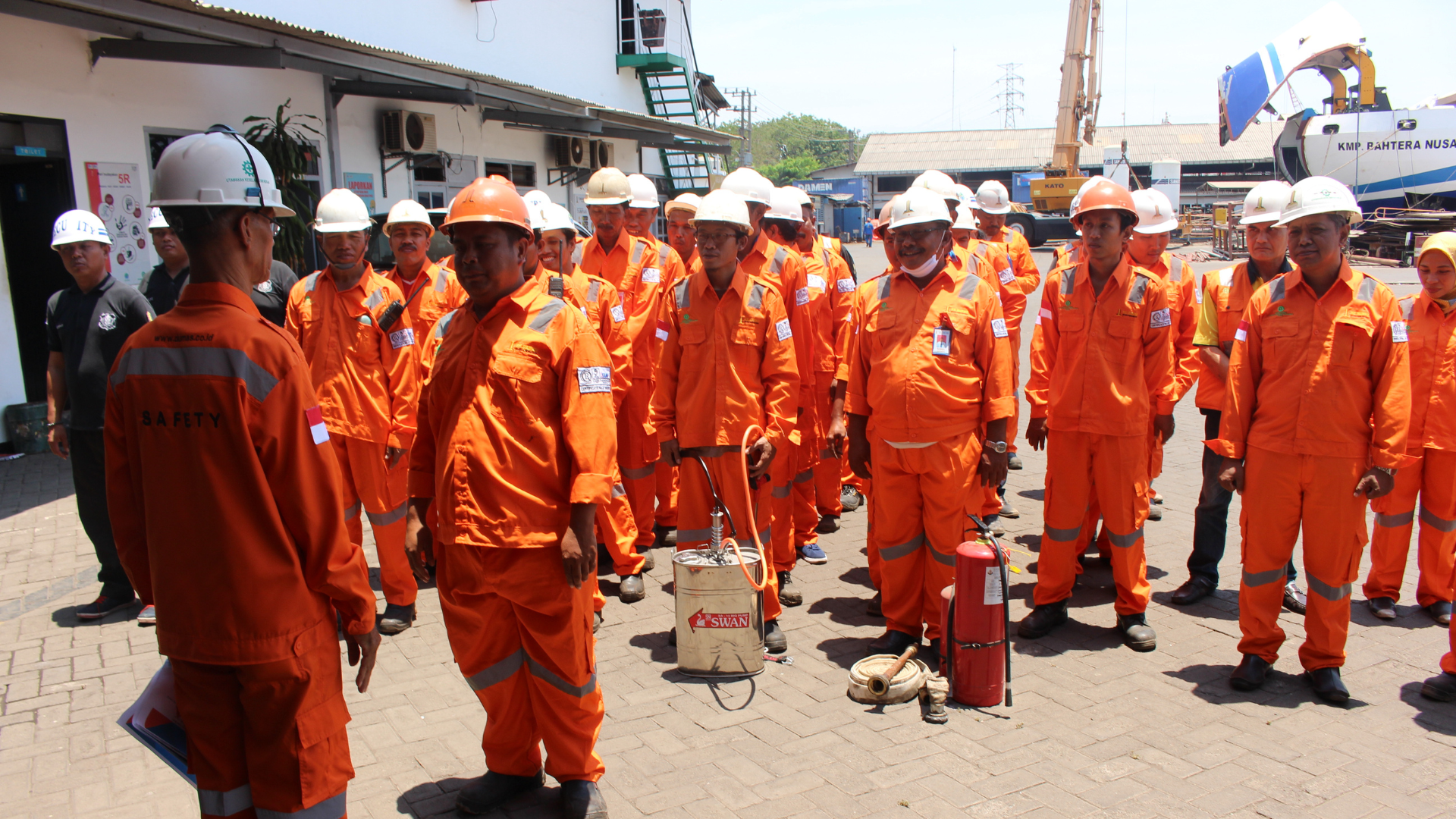
P2K3 Emergency Response Simulation
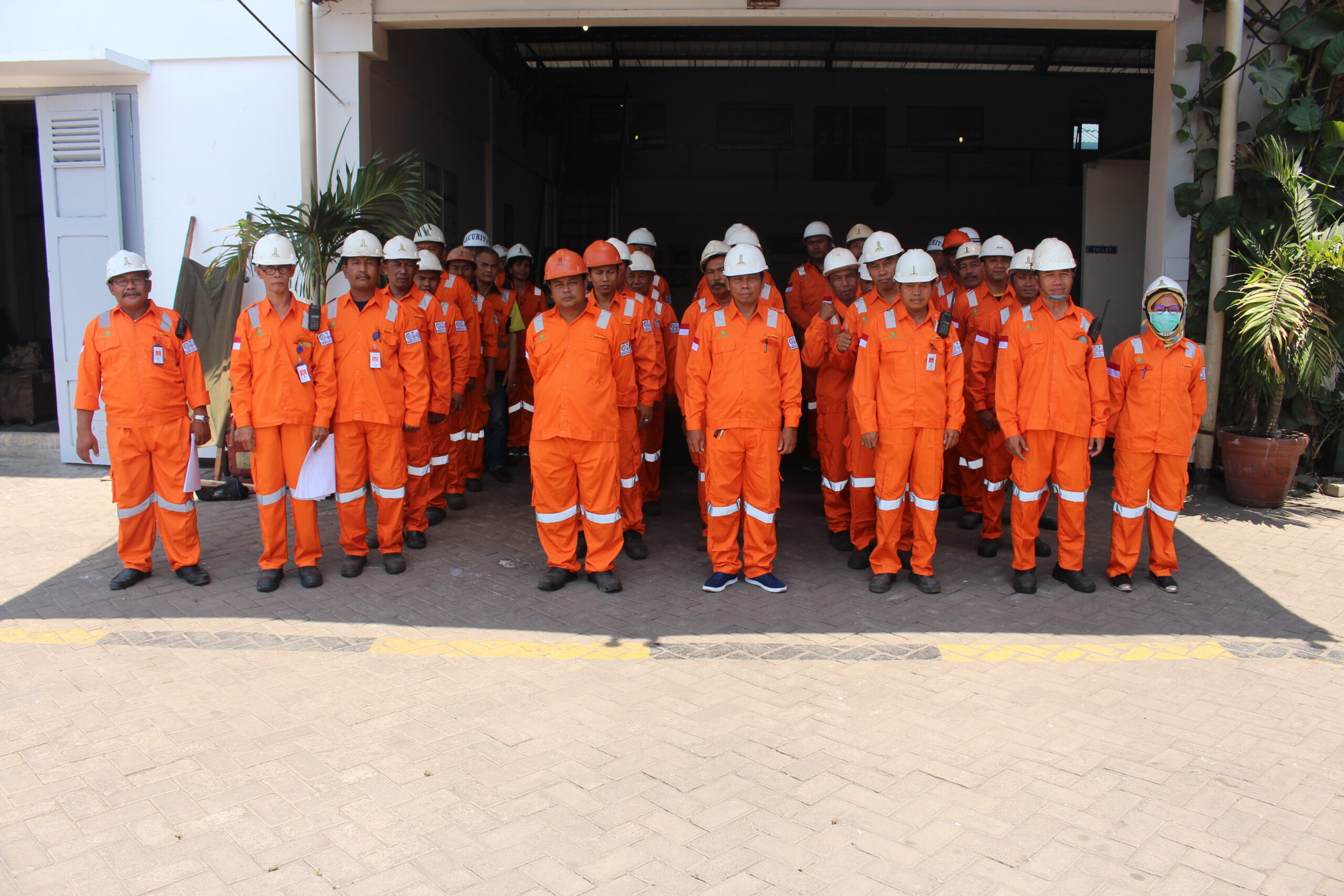
P2K3 Emergency Response Simulation
Emergency response simulations are routine exercises that mimic real-life emergency situations (such as fires, earthquakes, or evacuations) to improve preparedness, evacuation procedures, and the response of the OHS team. These exercises involve alarms, evacuation to assembly points, victim management, and even simulated firefighting.
Main Goals and Benefits of Emergency Response Simulations:
Improving Preparedness: Training employees to avoid panic and to understand appropriate, quick, and safe actions.
Procedure Testing (SOP): Testing the effectiveness of evacuation procedures, safe routes, and emergency communications.
Reducing Risk: Minimizing loss of life and loss of company assets.
Team Building: Training the roles of the evacuation team, first aid, and internal fire extinguishers.
Certification Quality Pearls
Certification Quality Pearls
General Emergency Response Simulation Scenarios:
Detection & Reporting: There are indications of an emergency (e.g., a spark or earthquake).
Alarms & Warnings: Emergency alarms are activated, and evacuation notifications are issued.
Independent Evacuation: Employees immediately proceed to the assembly point in an orderly manner.
Victim Search: The evacuation/security team ensures no one is left behind and searches for anyone missing.
First Aid Treatment: The medical team treats victims (e.g., burns, shortness of breath) before they are referred to the hospital.
Disaster Management: The internal firefighting team uses a fire extinguisher (APAR) or fire hydrant.
All Clear Declaration: The leader or authorities declare the situation safe.
This simulation must be conducted periodically and is often required as part of the Occupational Health and Safety Management System (OHSMS) in the workplace.